
The Thrill of Uncertainty
The psychology behind casino gambling is deeply rooted in the thrill of uncertainty. Players are often drawn to the unpredictable nature of casino games, where the outcome is known only at the last moment. This uncertainty creates a heightened sense of excitement and anticipation, often triggering the brain’s reward system. When a player wins, the rush of adrenaline and dopamine release fosters a pleasurable experience, reinforcing the desire to gamble again. For those looking to explore options, reputable idaho online casinos provide exciting alternatives in the landscape.
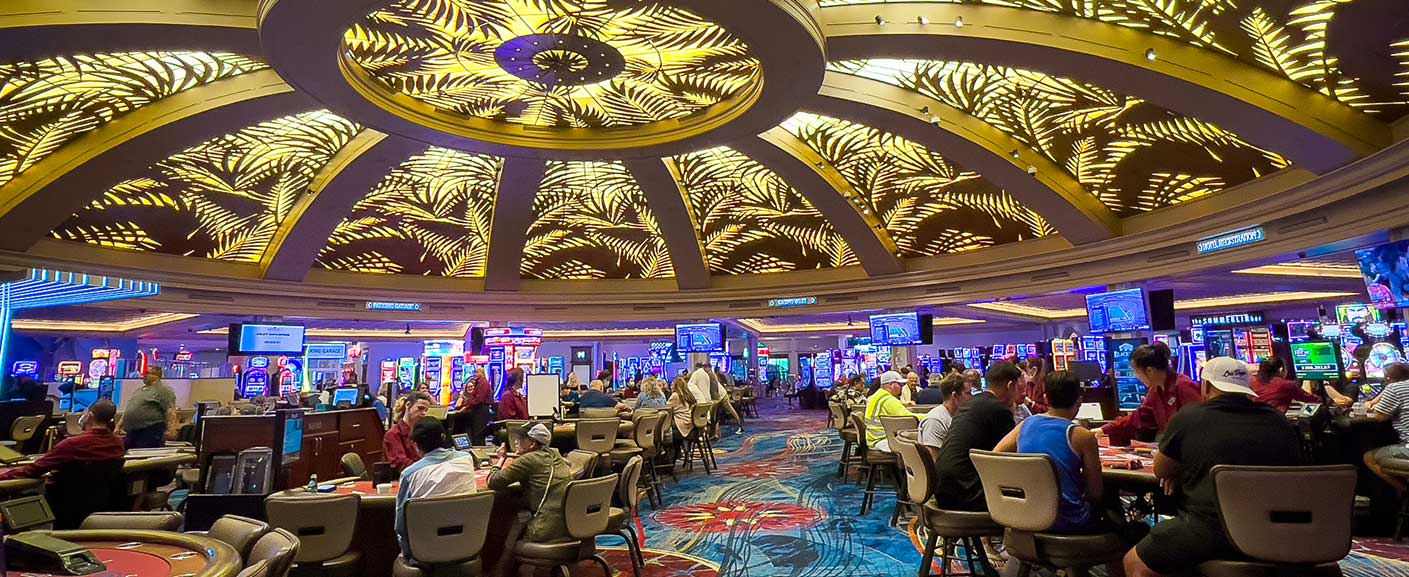
This thrill-seeking behavior can often be linked to psychological traits such as sensation-seeking and risk-taking. Individuals who enjoy novelty and excitement may find the casino environment particularly appealing. The bright lights, sounds, and chaotic atmosphere contribute to a unique sensory experience, making the act of gambling more compelling.
The Role of Cognitive Biases
Cognitive biases also play a significant role in how individuals engage with casino gambling. One common bias is the illusion of control, where players believe they can influence the outcome of games based on their skills or strategies. In reality, many casino games rely purely on chance. This belief can lead to persistent gambling behaviors, as players continue to wager in hopes of achieving a winning streak.
Another cognitive bias prevalent in gambling is the gambler’s fallacy, which is the misconception that past events influence future outcomes. For example, a player might believe that after several losses, a win is «due.» This fallacy can fuel continued gambling, as players may disregard the odds and cling to the hope that luck will change in their favor.
Social Influences on Gambling Behavior
The social aspect of gambling is another crucial factor that influences the psychology of players. Many individuals gamble not just for the potential financial gain, but for the social experience it provides. Casinos often encourage social interaction through communal games and vibrant environments, allowing players to share in the excitement. This social component can make gambling more enjoyable and may lead individuals to return for the camaraderie.
Peer influence also plays a role in gambling behaviors. Friends or family members who gamble can significantly impact an individual’s likelihood of participating in gambling activities. The normalization of gambling in social contexts can create an environment where individuals feel encouraged to join in, further perpetuating the cycle of gambling.
The Impact of Emotional States
Emotions play a pivotal role in gambling decisions. Players often gamble to escape negative emotions or to enhance positive feelings. For some, gambling serves as a coping mechanism for stress, anxiety, or boredom. The temporary distraction that gambling offers can provide relief, leading individuals to seek out the casino environment when feeling down or restless.
Conversely, the emotional highs associated with wins can also lead to unhealthy gambling habits. The elation of a successful bet can overshadow the potential risks, prompting players to chase losses or gamble longer than planned. Understanding the emotional aspects of gambling can help individuals recognize their motivations and establish healthier boundaries.
Gambling Industry Insights for Idaho Players
At Gambling Industry News, we aim to provide valuable insights into the world of casino gambling, focusing on safe and legal options for players. With the current legal landscape in Idaho limiting access to state-regulated real money casinos, our platform offers comprehensive reviews of international casinos that cater to your gaming needs.
Our expert team carefully evaluates each featured casino to ensure that you receive accurate and trustworthy information. We are committed to keeping you informed about the evolving landscape of online gambling, empowering you to make educated choices as you explore the exciting world of casino games.